
The Author’s Research Journey
A History of the Vampire in Popular CultureThis thread follows the narrator’s movement from enthusiastic fandom toward skeptical historical and scientific interpretation.
increasing Bearing strength in each event
 decreasing
Bearing strength in each eventdecreasingPersonal Archive
Personal Archive
Collected Nightmares
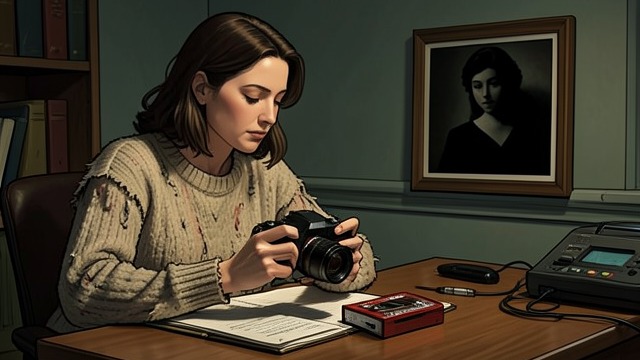
The narrator records old horror films and builds a private archive of women, capes, monsters, and barely disguised sexuality. The archive becomes the emotional source of the book.
Fandom as Method
Personal enthusiasm is not hidden but treated as a way of selecting meaningful examples. Scholarship begins from attachment rather than distance.
Folklore Catalog

Folklore Catalog
Many Names
The inquiry moves through Lamia, Astryiah, Impundulu, and European revenants. Each example demonstrates that vampire history is plural and culturally situated.
Limits of Comparison
The narrator resists treating every blood-drinking being as identical. Similarities matter, but so do the local conditions that make each creature meaningful.
Medical Reassessment
Medical Reassessment
Corpse Biology
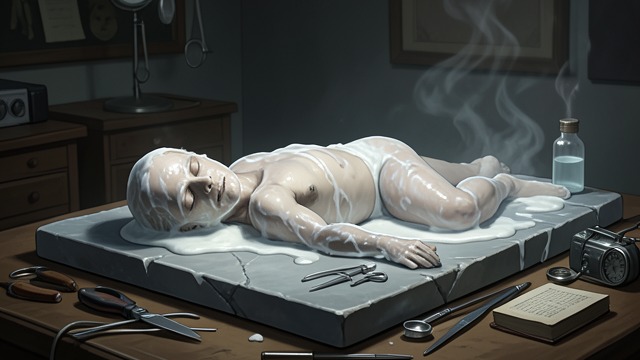
Purge fluid, saponification, cold, and restricted oxygen explain many supposed signs of vampirism. The dead body becomes a physical process rather than supernatural proof.
Skepticism With Sympathy
Scientific explanation does not mock the frightened communities. It clarifies how grief and incomplete knowledge converted ordinary decay into terrifying narrative.
Textual Crosschecking
Textual Crosschecking
Sources and Errors
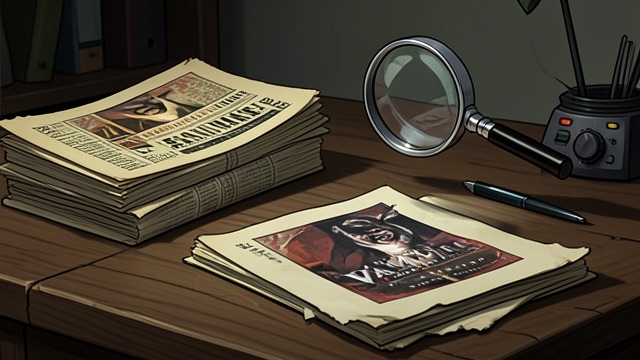
The narrator compares newspapers, poems, novels, reports, and adaptations. Misreadings such as the history of Nosferatu reveal how cultural facts are repeatedly manufactured.
Repetition as Truth
A claim becomes believable through circulation rather than accuracy. The book’s method therefore studies not only what sources say but how audiences preserve them.
Critical Self Awareness
Critical Self Awareness
Fandom Examined
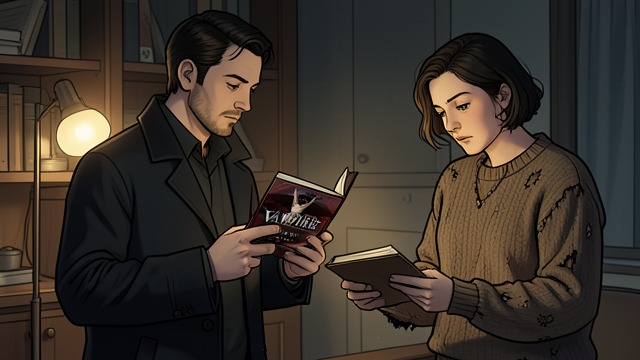
The narrator never abandons affection for vampires, even while criticizing their sexism, class privilege, and romantic manipulation. Admiration and analysis remain in productive tension.
The Open Conclusion
The final argument does not solve the vampire. It explains why the figure remains useful: it can hold contradictory desires without reducing them to a single answer.
the preface
chapter one
the eighteenth and nineteenth centuries
middle chapters
the epilogue
